Bring to light
The Lab would give audiovisual form to university and company activities, connecting professionals and university talent in creative work, production and the use of AI.
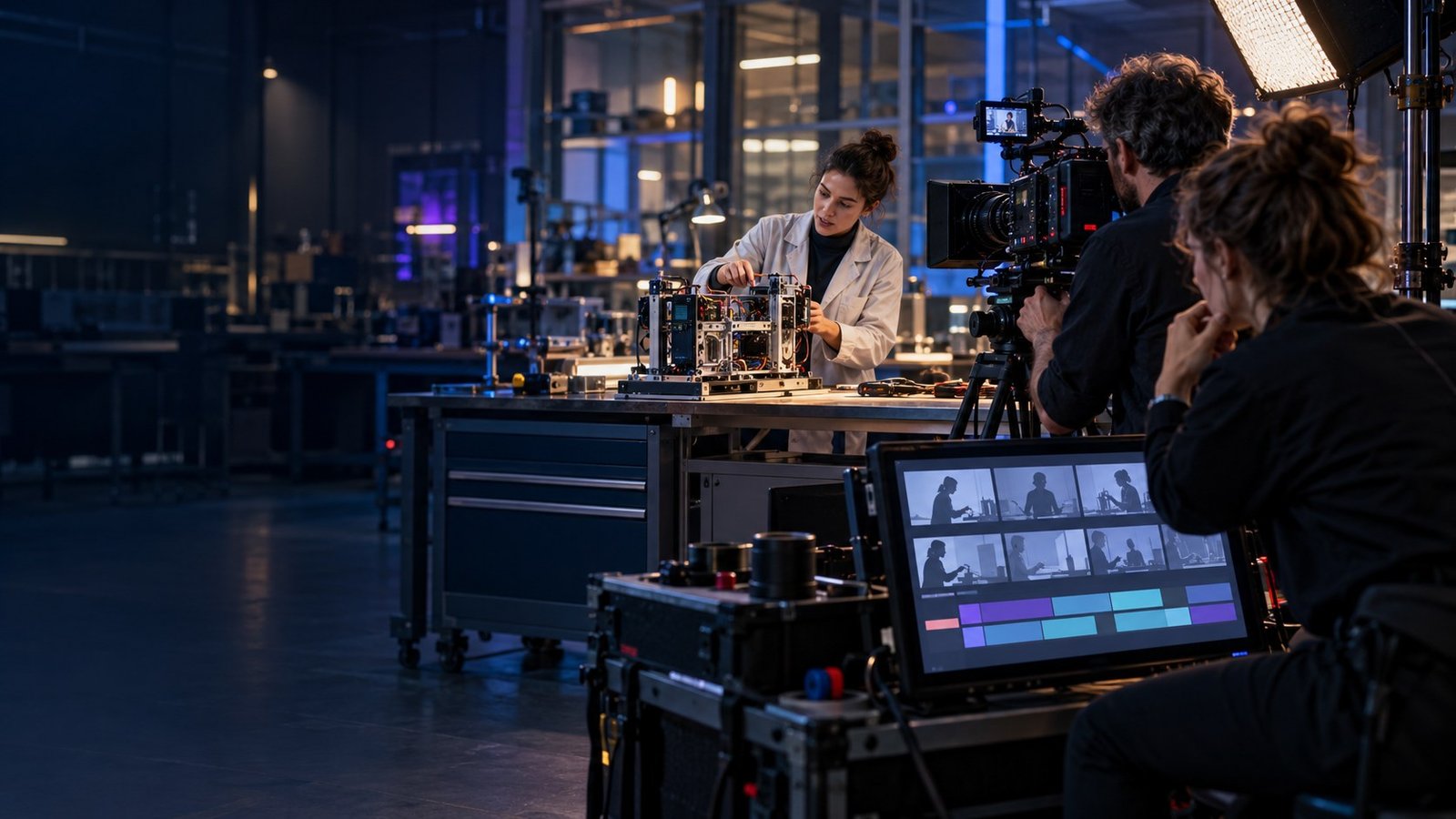
A space to communicate your work and connect knowledge, university talent and business activity.
Original productions, presentations, podcasts and news programmes with AI throughout the process.
See the Unseen Lab proposes bringing together audiovisual creation, AI, studio production and applied technology so universities can make their own work visible across all their activities: research, teaching, culture, student projects and campus life.
Companies could also use it to present projects and products, create their own podcasts, share knowledge or produce news programmes. Our contribution is scripting, production and direction with AI throughout the process; each team retains authorship and responsibility for validating content in its field.
Project in development · partnerships to be agreedThree examples to start with.
The proposal is open to every university discipline and to companies' activities.
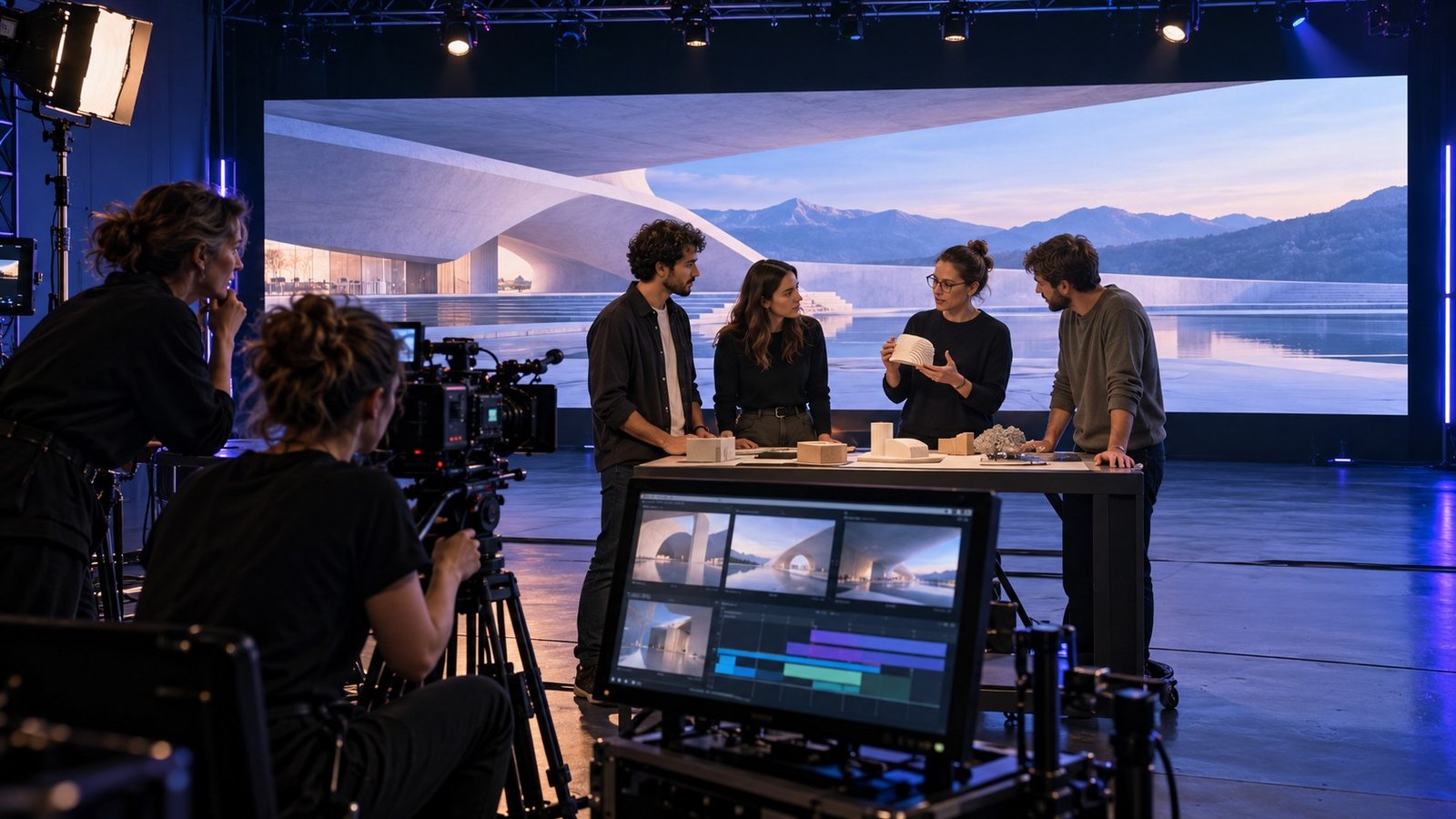 01 / Universities
A window onto university projects, the people behind them and their activities.
Explore the project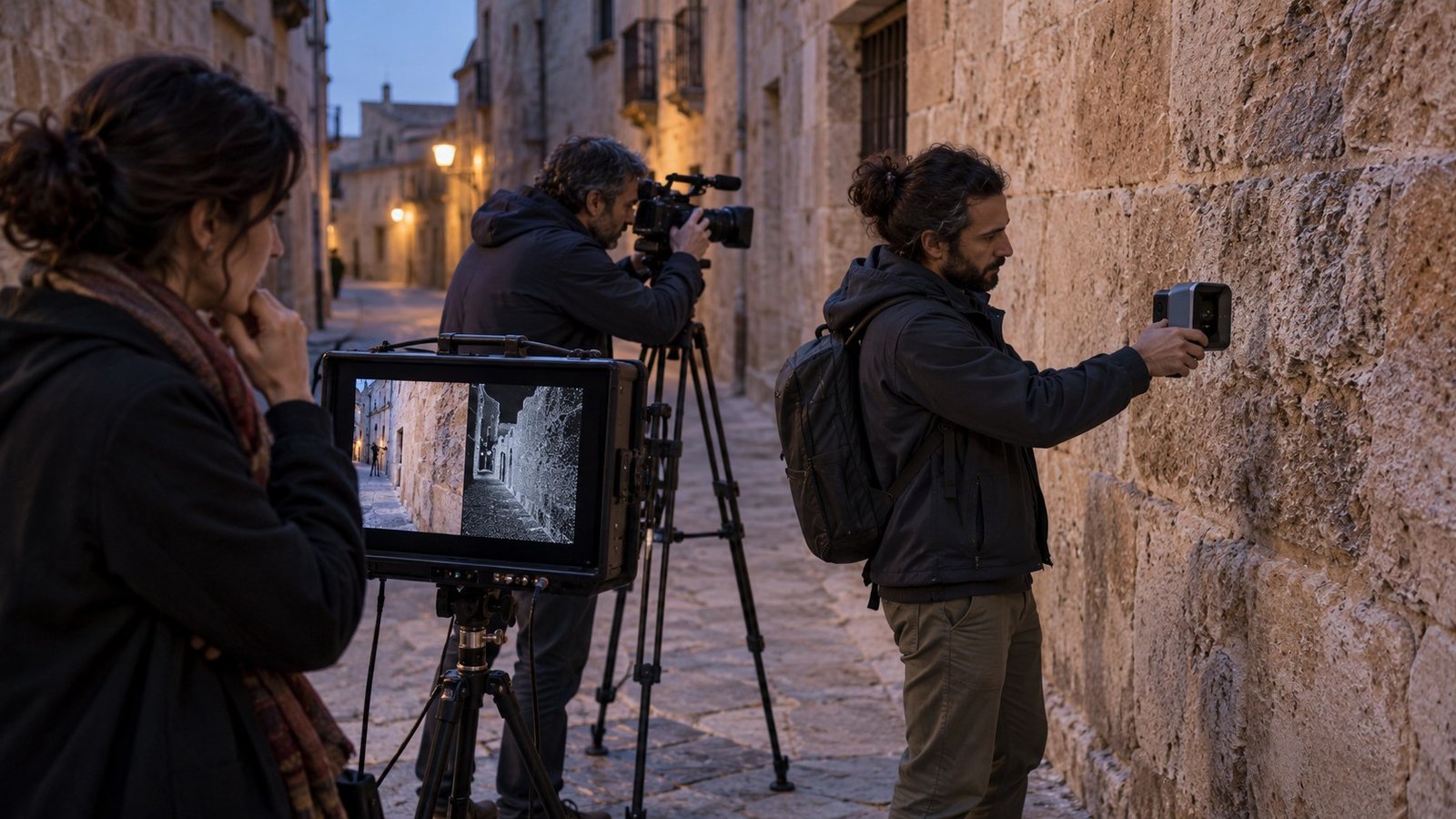 02 / Culture
Heritage, culture and places: telling their stories and showing the work of those who study them.
Explore the project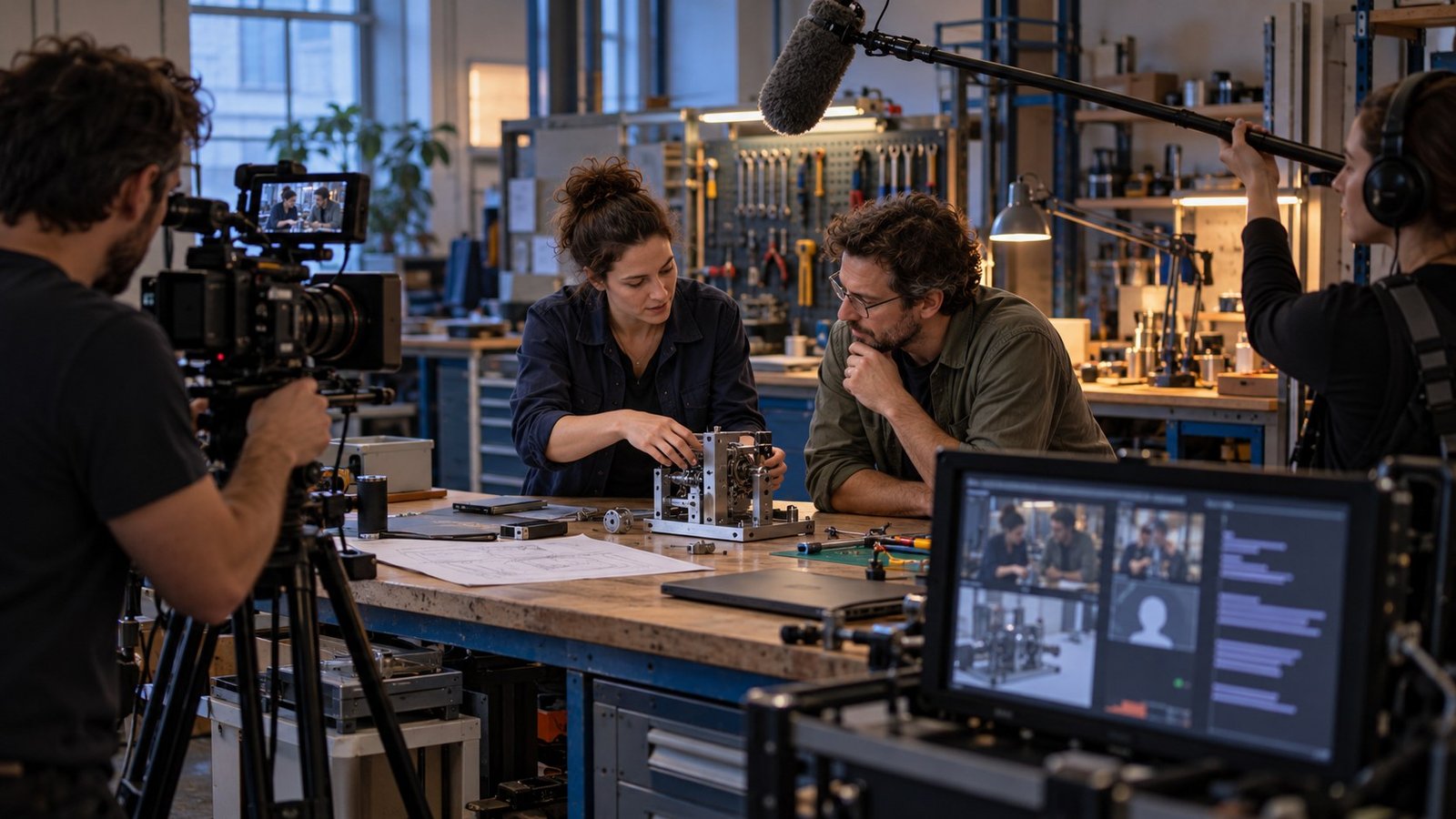 03 / Research
Teams share their questions, progress and what they have learned.
Explore the projectProposed audiovisual journeys. The images are AI concepts; projects and collaborations remain to be agreed.
FutureLab could be a meeting point for telling the story of university work, bringing it closer to companies and opening new conversations.
The proposal is to explore with FutureLab how to produce and share stories from every university field, showcase teams' projects and develop formats that companies could also use. These productions could raise new questions in audiovisual creation, engineering and AI.
The Lab would give audiovisual form to university and company activities, connecting professionals and university talent in creative work, production and the use of AI.
Each field would contribute its projects, people and knowledge. Its teams would retain responsibility for developing their work and validating the content, along with authorship.
FutureLab could help bring people from across universities together with companies and the audiovisual team. Participation, resources and collaboration would need to be agreed.
Continuity between generated shots, integration of real and synthetic images, sound quality or accessibility: production can raise specific questions to explore with university teams through FutureLab. Their advances would feed new ways of storytelling.
Collaboration with FutureLab and universities is a possibility to explore. This website does not establish any agreements or access to teams or equipment.
The studio as a meeting point for production, learning and communication. Universities tell the story of their activities and companies present their projects, with university participation and AI throughout production.
Explore the audiovisual project ↗Flat screen, no green screen. The dimensions refer to the screen, not the room.
Availability and technical setup to be verified.We propose involving students as authors, scriptwriters, presenters and members of directing, camera, sound or editing teams, with professional guidance.
Their own projects can become content. Productions can also connect students, teaching staff and researchers from different fields with companies' communication needs.
Roles, guidance and participation arrangements would be agreed with the university and each team.
Students, university teams and companies present their own projects, products, work and results.
Conversation series, interviews and podcasts from universities and companies, featuring their own voices and topics.
Campus and company updates: news, events, progress and conversations from across their activities in a regular programme.
Stories showing how people work, what they research and create, and who makes it all possible.
A proposal to combine university projects, company commissions and original formats that could sustain activity in the space.
Recordings, presentations, demonstrations and tests, with resources and technical support to be agreed for each session.
Scripting, planning, directing, filming, editing and adaptations for a complete commission, with AI throughout the process.
Podcasts, news programmes, educational series and universities' or companies' own programmes, with a production schedule.
A proposed operating model to be defined with those responsible for the studio: availability, resources, rates, coordination, rights and maintenance.
Six stages of audiovisual production combining craft and artificial intelligence. Tools would be chosen for each brief and the resources available.
AI to organise interviews and authorised documents, compare information and prepare questions.
The team checks the sources and agrees the question with the people who know the subject.
AI to explore treatments, scripts, visual references, storyboards and animatics.
The director chooses the perspective, rewrites and decides what serves the story.
AI to support breakdowns, shot lists, planning alternatives and previsualisation.
Production confirms resources, schedules, permissions and feasibility with the team.
AI to support transcription, notes, reference lookup and take tracking where useful.
The crew directs, lights, frames and records. Specialists explain and review their content.
AI to organise footage, find excerpts, explore edits and assist with sound, cleanup or effects.
The editor and director review pace, continuity, image and sound. Generated material is identified where appropriate.
AI to suggest subtitles, translations, formats and versions, and organise questions received.
The team reviews each deliverable and agrees its release. What is learned feeds the next piece and new challenges.
AI is used with judgement: authorised materials, agreed rights, human review and technical checks with specialists. This is the proposed way of working; tools and scope are defined for each production.
Explore the proposal involving FutureLab ↗Advances in engineering, 3D capture, interaction and AI can open up new audiovisual possibilities. In turn, a shoot or a visual experience can raise questions worth bringing to universities.
Proposed areas of exploration. Technical participation, access to resources and each application would be agreed with those responsible.
The next step: choose what you want to tell, to whom and in which format.
A presentation, a podcast, a news programme or the story of your next project.
The PDF preserves the earlier presentation as background. This website contains the current audiovisual proposal.
Presentations, podcasts, news programmes, interviews, documentaries and demonstrations to communicate what universities and companies do. AI from research to final versions, with human direction and review.
What do you want to tell, to whom and in which format?
An audiovisual piece or a series of your own, with its people, audience and identity. Story, planning, filming, editing and versions with AI and clear authorship.
Proposed uses. Reference: a flat 9 × 3 m LED screen, no green screen. Room, availability and technical capabilities to be verified.
Students, university teams and companies present their own projects, products, work and results.
Conversation series, interviews and podcasts from universities and companies, featuring their own voices and topics.
Campus and company updates: news, events, progress and conversations from across their activities in a regular programme.
Stories showing how people work, what they research and create, and who makes it all possible.
An audiovisual proposal about places that could incorporate advances from 3D capture and interactive creation teams. The narrative use would be defined with the people developing those technologies.
What story do we want to tell about this place, and what can digital capture contribute?
An audiovisual piece or a scene that helps people understand a place, its transformation or the work of those studying it.
Concept journey. Capture, models and interactive development would be the responsibility of the participating specialist team. Access, rights and resources remain to be agreed.
The audiovisual team agrees on the perspective, audience and format with the people who know the place. Access and permissions are arranged.
The capture team explains its process. We document it and work with those responsible to explore which images or resources could be incorporated into the story.
The audiovisual director finds a way to show the place and its possibilities. Specialists prepare and validate the technical resources agreed for use.
Engineering is one of the many university fields whose stories can be told. This example proposes following a team on camera as it studies an agricultural need, bringing its own work into view.
How can we explain a farming need so that the people who could research it understand it?
A documentary showing the team's work: its question, tests, results and what remains to be learned.
Illustrative case. The agricultural solution, prototype and tests would be the responsibility of specialists. The Lab would handle the agreed audiovisual production.
The person who knows the work explains the problem on camera. The audiovisual team prepares an interview and a story that respect their experience.
The engineering team explains what it is studying, how it will test it and the limitations it encounters. We give that explanation audiovisual form.
Specialists design and build. The camera records the decisions and tests that the team authorises us to show, subject to its technical review.
The piece explains progress, difficulties and open questions. It can help bring the challenge to students, researchers and other professionals.